
Sandy Bay Ojibway First Nation Child and Family Services believes that all children have the right to grow up in a safe and nurturing family environment, free from abuse and neglect.
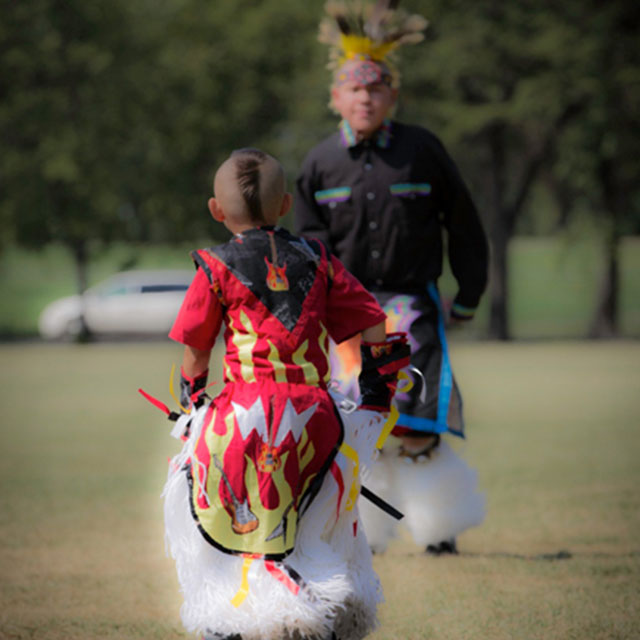
The Shawendasaawin Cultural Enrichment Circles have been running for 15 years, founded (and still run) by Richard De La Ronde, Executive Director of the Sandy Bay Child & Family Services. Richard saw a glaring need in his work with Sandy Bay CFS for a summer retreat for Indigenous youth where a focus was presented for youth to learn about their culture and grow alongside other Indigenous youth.
Shawendasaawin has shared many other locations in past to host our Cultural Enrichment Circles, and have recently found our permanent home on the incredibly beautiful lakefront property near Erikson, Manitoba. Our Cultural Enrichment Circles have grown to welcome approximately 150 youth between the ages of 12–18 years of age each summer, many of who are under the care of Sandy Bay CFS.
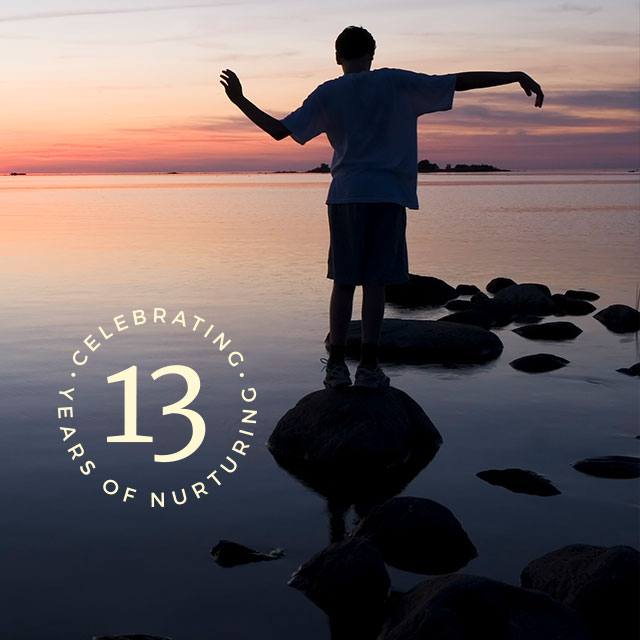
Beginning in the late 1800’s, First Nations children were forcibly removed from their homes and required to attend Indian Residential Schools in an effort to integrate into Canadian society, erasing Indigenous culture through isolation and assimilation. Children were disconnected from their families and communities and endured horrible acts of physical, mental, spiritual, and emotional abuse. Their ancestral language was stripped from them, and they were forbidden to engage in their cultural practices, being taught that their whole identity and who they were was invalid. While the last Indian Residential School in Canada closed only in 1996, the damaging effects of over a hundred years of assimilation have left a lasting impression on our Indigenous youth and families still today. As Elders continue to cross over, taking their knowledge with them, our children and youth are losing their language, ceremonies, and cultural practices, and ultimately an integral piece of their self-identity and history.
The Shawendasaawin Cultural Enrichment Circle is dedicated to awaken and revitalize the Ojibwe language through ceremonies and cultural teachings to support and empower our youth through a deeper understanding of their culture. Cultural programs provide Ojibwe language training that is land-based, holistic, hands-on, and culturally appropriate in its approach to self-identity and selfdevelopment.
The Cultural Enrichment Circle is a community based program, designed and oriented from within our community, with mentorship by Elders and Schkabehs (helpers). Traditional teachings and ceremonies are led, including the medicine wheel approach, where primary targets of change are identified through the address of spiritual, emotional, mental and physical quadrants of self.
Our program also includes a special focus on Violence Prevention, intended to empower and educate our youth on sacred family relationships, founded in traditional teachings and ceremonies. We believe incorporating the cultural groundwork into this program is key to a successful strategy, creating spiritual identity, naturally directing youth to an inner-self journey of healing historical traumas and past hurts.
Activities such as arts & crafts, swimming, fishing, canoeing, and more are built into our offerings for youth to engage and share experiences. Shawendasaawin does not dictate culture to participants. Rather, we aim to provide enrichment and exposure through awakening, creating awareness and self-discovery. This traditional approach to learning will ensure participants have control and responsibility over the intention and development of their own life-long healing and cultural journey.
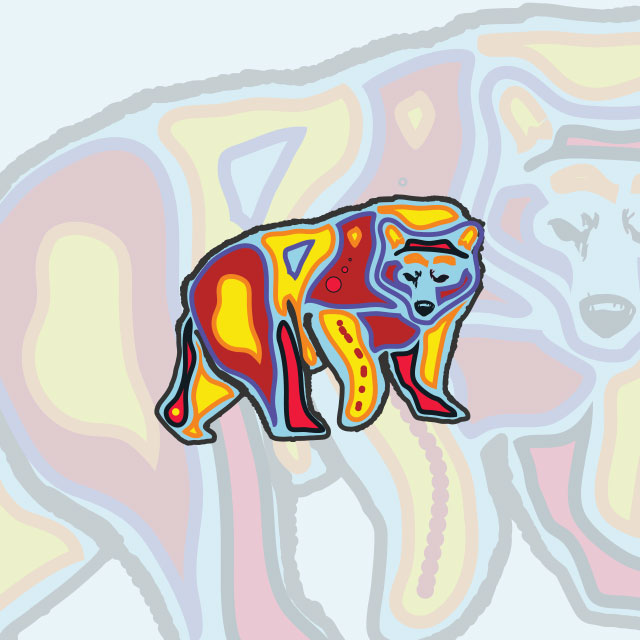
The Bear in our logo symbolizes strength, wisdom and most importantly healing. But there's more reasons it graces the centre of our mark.
The bear is one of the most prominent creatures in Ojibwe beliefs. Bears are good omens, used in many rituals, prayers, tales and ceremonies. They protect their family and continue to fight through injuries, even willing to sacrifice their own life for their young, which goes hand-in-hand with their significance of protection, strength and leadership within Ojibwe culture. For bear clan members this often means living on the outskirts of the tribe to provide protection for the more vulnerable. Thought to be independent and strong-willed, bears are portrayed as healers and their claws are often worn by those seeking leadership or protection.
Shawendasaawin (the place where there is caring) was registered as a charitable organization under the Income Tax Act on May 23, 2018. The organization was born from the cultural enrichment strategy designed and implemented by Sandy Bay Child and Family Services over 15 years ago. The cultural enrichment strategy utilized various cultural activities to enhance participant’s awareness of Indigenous cultural practices.
© 2026 Shawendasaawin Cultural Enrichment Retreat. All rights reserved.